









Using mobile data in Mali: what to expect
Mali is a large West African country where mobile networks are concentrated in the cities and along the populated southern corridor. The local operators run 4G/LTE in Bamako and the major towns, which covers what most visitors realistically need: WhatsApp, maps, translation, mobile-money confirmations and the occasional photo upload. 5G is not something to count on — plan around 4G in urban areas, and expect older, slower data, or none at all, the further you get from them. A travel eSIM is a practical choice for a short or business trip. It activates on arrival, runs on a local network, and avoids both the high roaming charges many carriers apply to West Africa and the paperwork of buying and registering a physical SIM locally, which in much of the region now requires presenting ID and biometric details at a registered agent.
Coverage across Mali
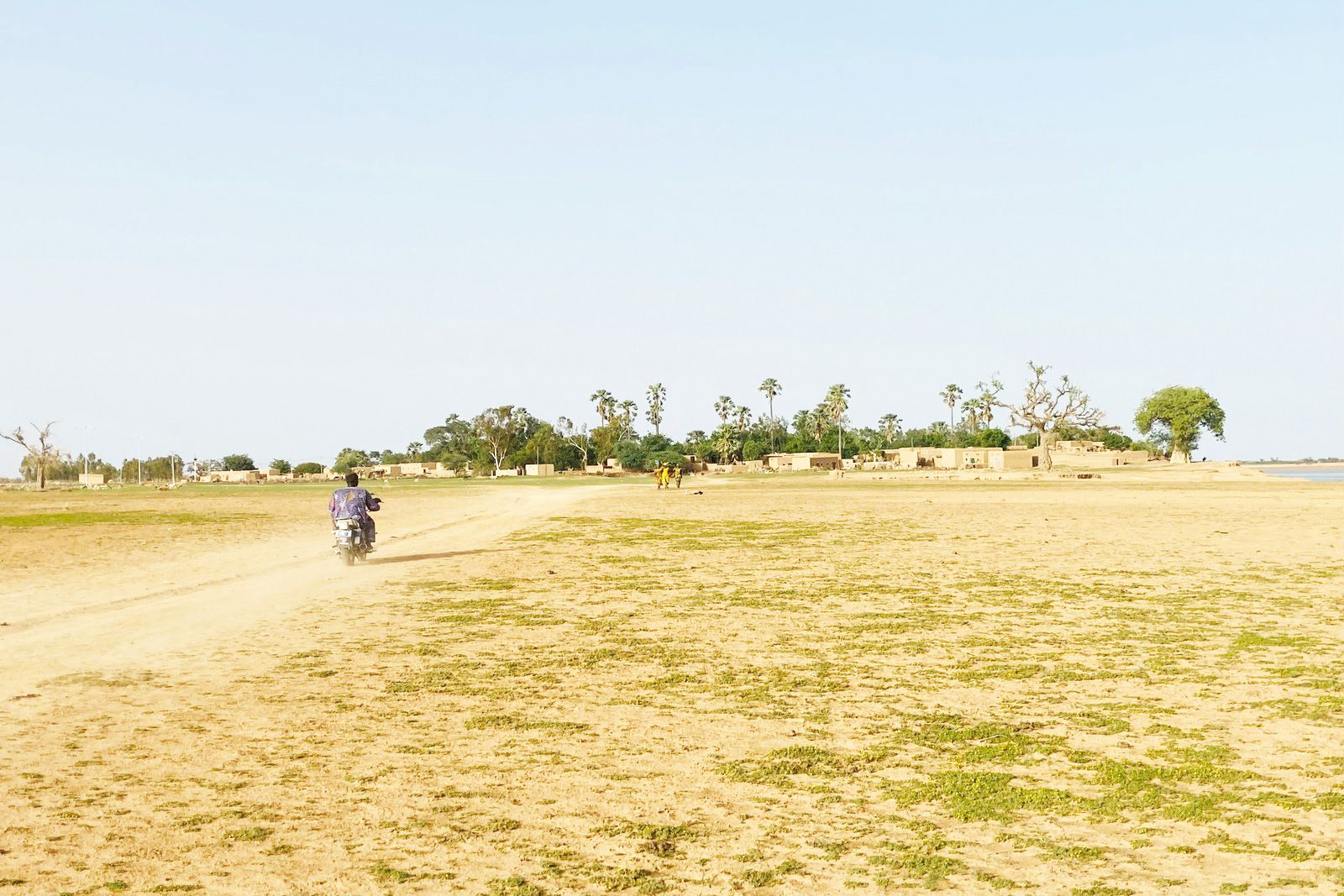
The most reliable coverage is in and around the capital, Bamako, and along the developed south — towns such as Sikasso, Ségou, Koutiala and Kayes, plus the main roads connecting them, including the route toward the Senegalese and Ivorian borders. As you move north and east the picture changes sharply. The vast Sahara and Sahel regions, the historic cities of Timbuktu, Gao and Kidal, and the long desert routes have sparse to no coverage. Just as importantly, much of northern and central Mali carries serious security travel advisories from most governments, so connectivity is far from the only consideration — check your foreign ministry's current guidance before planning anything beyond the southern cities. For any travel outside Bamako and the south, download offline maps and keep essential information saved locally, because mobile connectivity will be intermittent at best and absent across long stretches.
How much data you'll need
Travel in Mali is data-light by necessity. WhatsApp is the dominant communication app for arranging guides, drivers and accommodation; you'll also use Google Maps where it works, a translation app for French (the official language) and the local languages such as Bambara, and light browsing for logistics. Streaming is rarely practical outside the capital, both because of speeds and because of how much data it consumes against patchy coverage, so most travellers download anything they want offline — podcasts, maps, documents — while on hotel Wi-Fi in Bamako before heading out. As a rough guide: a few days of business or city travel in Bamako sits comfortably on a small-to-mid plan; a longer stay in the south suits a mid plan; heavier use or remote work points to a larger allowance, bearing in mind that real-world speeds vary a lot. The live options are in the plans above — start modestly and top up, since usage here tends to be lower than in a typical city-break destination.
Keep your number and WhatsApp
You don't need to give up your home number. A dual-SIM phone runs the eSIM next to your usual SIM, so the eSIM carries data while your home number keeps handling calls, SMS and the bank verification codes you may need. WhatsApp stays on your existing number with no re-registration — important when it's the main, and sometimes only reliable, way you'll reach contacts on the ground. Just switch data roaming off on the home SIM so it can't quietly run up charges in the background while the eSIM carries your data.
Before you fly
Confirm your phone supports eSIM — most iPhones from the XR onward, plus recent Samsung, Pixel and Honor models. Our compatibility checker tells you in seconds. Install on Wi-Fi before departure; the plan stays dormant and activates when you first connect after landing at Bamako-Sénou International (BKO), effectively the country's only major international gateway. If your trip continues across West Africa — for instance westward toward a neighbour like Senegal — a country plan for each leg is usually the cleanest approach, since coverage, operators and pricing differ markedly between nations. Above all, review your route and your government's travel advice carefully before committing to any overland legs beyond the more secure southern region — the connectivity picture and the safety picture are tied together here, and a working data line is small comfort on a road that is best avoided.