








Using mobile data in Lesotho: what to expect
Lesotho is a small, mountainous country landlocked entirely inside South Africa, and its mobile coverage tracks the terrain closely. Two operators, Vodacom Lesotho and Econet Telecom Lesotho, provide 4G across the capital and the lowland belt where most of the population lives. For everyday travel needs, maps, WhatsApp, mobile banking, translation and uploading photos, data works well in the towns. The honest caveat is the highlands: Lesotho is the only country in the world entirely above 1,000 metres, and the dramatic mountain interior has real coverage gaps. A travel eSIM is a practical choice here because it activates the moment you cross the border and gets you online without a local registration process, which matters when you're often arriving by road from South Africa.
Coverage across Lesotho
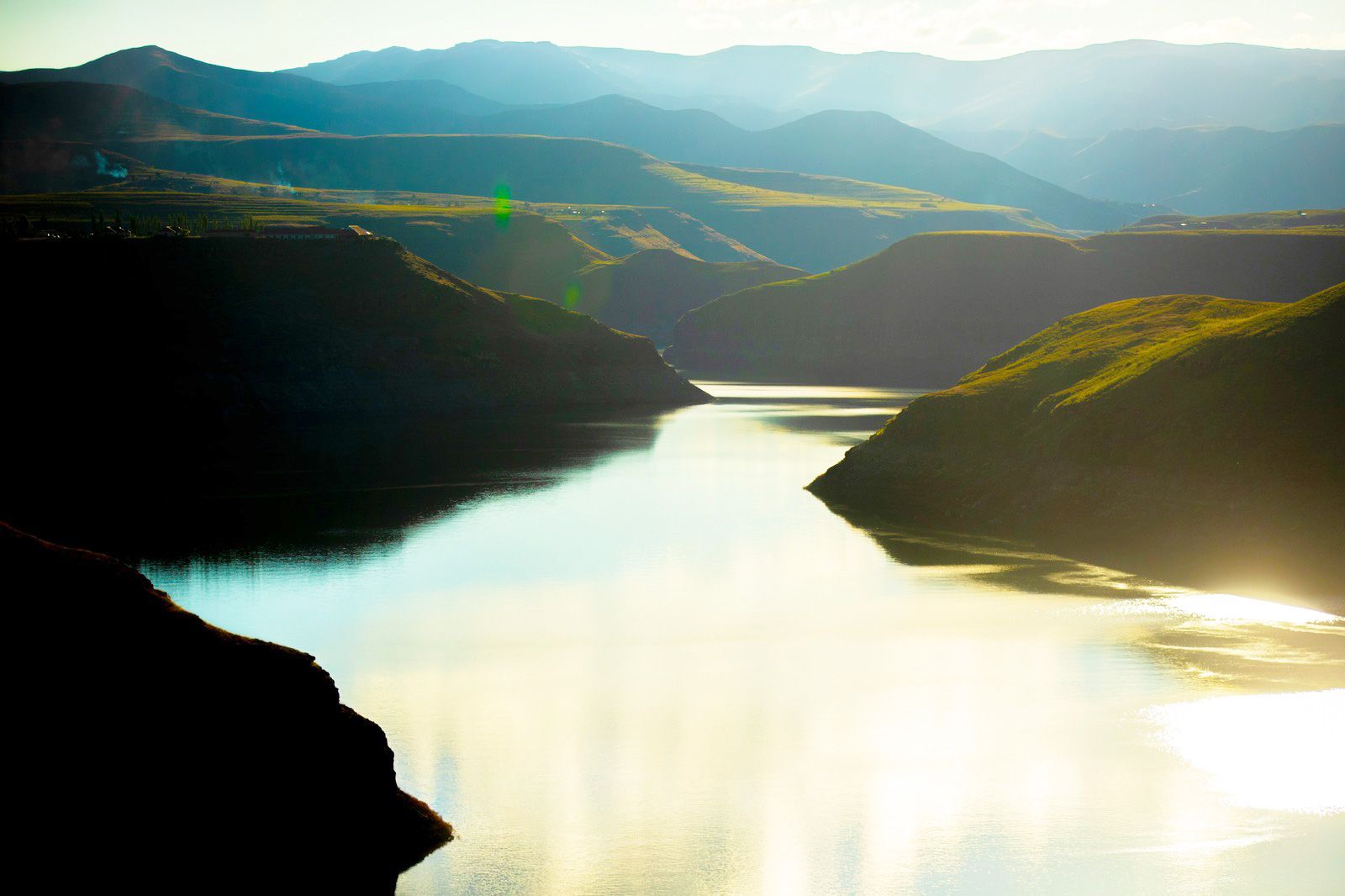
The strongest signal sits in and around Maseru, the capital, and along the lowland towns near the western border, places like Teyateyaneng, Mafeteng, Leribe (Hlotse) and Mohale's Hoek. These are well served with 4G. Where you should set expectations honestly is the mountainous east and the high passes: routes toward Sani Pass, Thaba-Tseka, the Maloti ranges and remote Sehlabathebe can drop to weak signal or none at all. The same goes for the long, winding mountain roads in between. If you're driving the highlands, on a pony trek, or heading to the Katse and Mohale dam areas, pull up offline maps and send your messages before you climb out of the valleys. Quick reality check on where you'll have signal:
- Maseru and the western lowland towns: reliable 4G for everything you'll need.
- The drive up to Afriski and the Mahlasela pass: intermittent, with real dead spots.
- Sani Pass and the remote eastern highlands: assume little to no coverage and plan offline.
How much data you'll need
Lesotho is light on data for most visitors. The apps people lean on here are WhatsApp for messaging, Google Maps for navigation, mobile money and banking apps, a browser for lodge bookings, and the camera backing up mountain scenery. A few days based around Maseru and the lowlands is comfortable on 2 to 4 GB. A week or more combining town stays with highland trekking, where you'll mostly be offline anyway, rarely needs more than 5 to 8 GB. Heavy streaming isn't really the point of a Lesotho trip, but if you want a buffer, size up. The live options are in the plans above, and topping up is simple if you misjudge.
Keep your number and WhatsApp
You don't have to swap out your home number to get Lesotho data. A modern dual-SIM phone runs the eSIM alongside your normal SIM, so the eSIM handles data while your usual number stays available for calls, SMS and the two-factor codes you need for banking. WhatsApp stays linked to your existing number, so contacts reach you as normal. One important step: turn your home SIM's data roaming off in settings, otherwise it may try to connect to a network and bill you while the eSIM is already doing the work.
Before you cross the border
Confirm your phone supports eSIM, most iPhones from the XR onward, plus recent Samsung, Pixel and Honor models, using our compatibility checker, which takes seconds. Install on Wi-Fi a day or two before you travel, since setup needs a connection and you don't want to rely on patchy signal at a land border. The plan stays dormant until you connect to a Lesotho network. Many visitors arrive overland from South Africa through crossings like Maseru Bridge or fly into Moshoeshoe I International (MSU) near Maseru, and the eSIM activates on first connection there. If your trip pairs Lesotho with a wider drive through South Africa, a regional approach can keep you online across both on a single eSIM, which saves swapping plans every time you cross back over the border for fuel or supplies.
The Kingdom in the Sky, and what altitude means for signal
Lesotho's nickname is earned: it's the only country whose entire territory sits above 1,000 metres, and its lowest point is the highest of any nation. That extreme topography is exactly why coverage is so concentrated in the western lowlands and so sparse in the mountains, masts simply can't reach over every ridge and into every valley. The upside is that the lowland network is genuinely good, so base your connectivity expectations on where you'll actually spend time. Treat the highlands as off-grid by default and enjoy them that way, with maps and bookings sorted before you ascend.