









Using mobile data in Sri Lanka: what to expect
Sri Lanka's mobile network is better than first-time visitors tend to assume. The main carriers — Dialog, Mobitel, Hutch and Airtel — between them blanket the island with 4G/LTE, and 5G has started rolling out in and around Colombo, though you shouldn't plan a trip around it. In practice you'll have a fast, usable connection in the capital, along the southern beach belt and in the main hill-country towns, with speeds that comfortably handle maps, ride-hailing, video calls and uploading photos. The honest caveats are the interior and the higher tea-country roads, where signal thins out, and the usual evening congestion in tourist hotspots. A travel eSIM is a clean fit here because it sidesteps the queue at the airport SIM counters, the passport photocopy and the paperwork that come with a local prepaid line. You buy one data allowance up front, it installs before you fly, and there are no surprise roaming charges landing on your home bill weeks later.
Coverage across Sri Lanka
Coverage tracks where people and roads are. Colombo and the western corridor — Negombo, Mount Lavinia, Dehiwala — are the strongest, with dense 4G and emerging 5G. The south coast is well served end to end: Galle, Unawatuna, Mirissa, Weligama, Tangalle and Hikkaduwa all have solid signal right down to the beach. Kandy and the central hill country hold up in town, and the scenic stretch through Nuwara Eliya and Ella generally works in the settlements even if it drops between them.
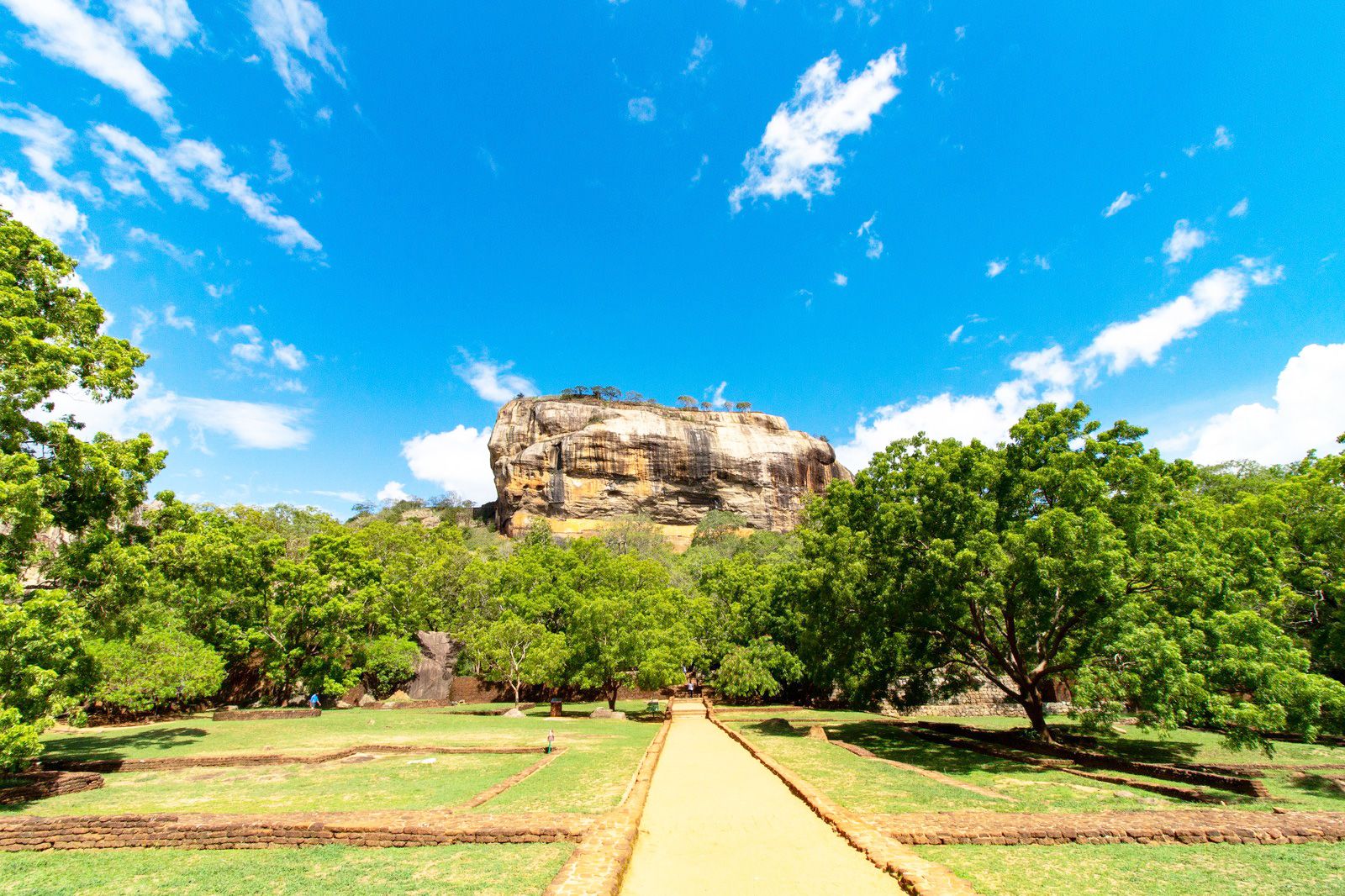
- Strong: Colombo, Negombo, Galle, Mirissa, Kandy, Sigiriya and Dambulla in the cultural triangle, and Arugam Bay on the east coast in season.
- Patchy or weak: the famous Kandy–Ella train ride drops in and out through the tunnels and tea estates; Yala, Wilpattu and Udawalawe national parks have gaps deep inside; remote interior roads and the higher mountain passes can go quiet for stretches.
If your itinerary is the classic loop — Colombo, cultural triangle, hill country, south coast — you'll be online for the overwhelming majority of it.
How much data you'll need
What you use depends on the trip. The apps that actually matter in Sri Lanka are PickMe and Uber for tuk-tuks and cars, Google Maps for the winding roads, WhatsApp for guesthouses and drivers, and the usual social and banking apps. Rough guidance, set against the plans above:
- Short beach or city break (4–7 days): 3–5 GB covers maps, messaging and steady social use.
- Two-week island loop: 8–12 GB is a comfortable buffer if you're streaming music on long drives and uploading photos daily.
- Remote work or heavy streaming: 15 GB or more, ideally topped up rather than under-bought.
Download offline Google Maps for the regions you'll cross before you leave a strong-signal town — it saves data and saves you when the hill roads go quiet.
Keep your number and WhatsApp
You don't have to give up your home number to use an eSIM. On a dual-SIM phone the eSIM carries your data while your normal SIM stays active for calls, SMS and — importantly — the bank and 2FA codes that still arrive by text. WhatsApp keeps working on your existing number regardless of which SIM is moving data, so contacts reach you as usual. The one setting that matters: turn data roaming off on your home SIM so it can't quietly rack up charges, and let the eSIM handle the internet.
Before you fly
First, confirm your phone is eSIM-capable and carrier-unlocked — run it through our eSIM compatibility checker in a minute. Then install the eSIM while you're still on home Wi-Fi; the profile downloads in advance and simply switches on when you reach Sri Lanka. Most travellers land at Bandaranaike International (CMB) near Negombo, with a smaller share flying into Mattala (HRI) in the south — either way the eSIM connects as soon as you're off the plane and out of airplane mode, so you can book a ride before you've cleared the terminal. Planning a wider trip through the region? See our Asia eSIM hub for neighbouring destinations.
Good to know: drones, parks and the long way round
Two practical facts worth carrying. Flying a drone in Sri Lanka requires CAA registration and permits, and they're banned outright over many heritage sites — don't assume your travel data plan replaces that paperwork. And national-park safaris in Yala or Udawalawe run deep into low-signal zones, so screenshot your booking, your driver's number and your route before the jeep leaves the gate rather than relying on a live connection inside the reserve.