









Mobile data in Peru: what to expect
Peru's mobile market is led by Claro and Movistar, with Entel and Bitel as strong challengers, and together they cover the coast and the main Andean tourist trail well on 4G. 5G exists but is concentrated in pockets of Lima and a few large cities, so plan around dependable 4G rather than 5G everywhere. For everyday travel — navigating Lima's traffic, coordinating a Sacred Valley driver, looking up train times to Machu Picchu, translating a market menu — coverage in the places tourists actually go is solid. A travel eSIM saves you the airport SIM queue and the passport-registration step, and it activates the moment you land, which is welcome after a long flight into Lima.
Coverage across Peru
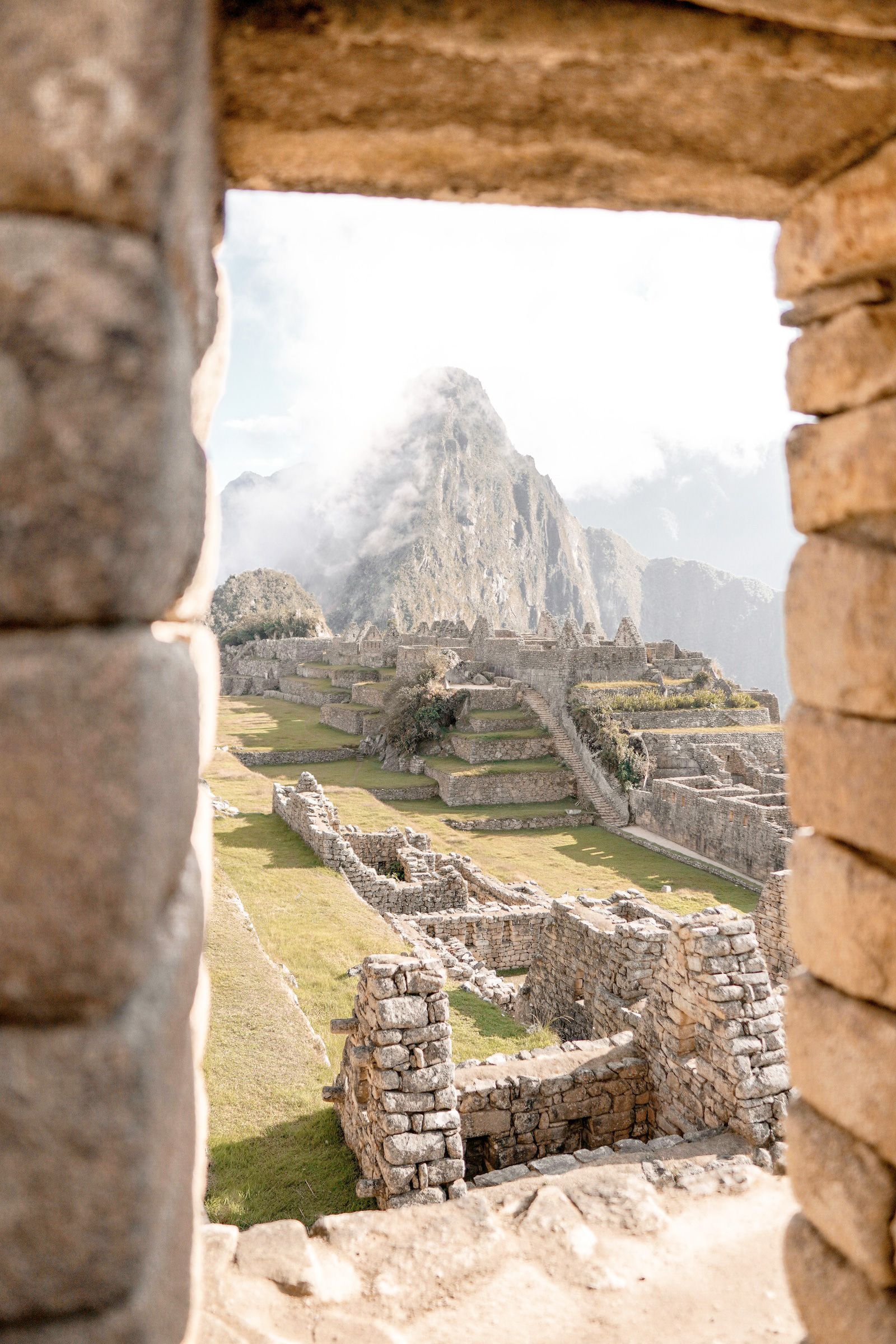
The strong-signal zones follow the coast and the gringo trail. Lima has thorough coverage across Miraflores, Barranco and the wider metro; Cusco, the Sacred Valley towns (Pisac, Ollantaytambo, Urubamba), Arequipa, the Lake Titicaca side at Puno, Paracas and the northern beaches around Máncora are all well served. Where signal genuinely drops: the Inca Trail and other high-altitude treks, much of the Amazon basin around Iquitos and Puerto Maldonado once you leave town, the high passes and remote stretches of the Andes, and the long desert highways of the south coast between towns. Machu Picchu itself and the train route through the Urubamba gorge have patchy-to-no signal in places — download offline maps and your tickets before you set out, and do not count on data on the trail. One more thing many visitors underestimate: altitude affects everything in the Andes, and you will want maps and a way to message your accommodation working from the moment you arrive in Cusco at 3,400 m, when you may be moving slowly and not in the mood to hunt for a SIM shop. Having the eSIM live on arrival takes one task off the list.
How much data you'll need
Peru is a moderate-data trip for most visitors. The core apps are Google Maps, WhatsApp (the default for messaging and for reaching tour operators, hostels and drivers), Uber, Cabify and InDrive for city rides, Google Translate, and Instagram for the inevitable Machu Picchu and Rainbow Mountain photos. A long weekend in Lima or Cusco is comfortable on around 3–5 GB. One to two weeks across Lima, Cusco, the Sacred Valley and Arequipa lands roughly 8–15 GB. If you are streaming, hotspotting a laptop, or backing up lots of photos and video, size up toward an unlimited-style allowance. The plans above show the live options — start mid-range and top up if needed, since you will lean on maps and translation a lot.
Keep your number and WhatsApp
You do not need to give up your home number. A dual-SIM phone runs the eSIM for data while your usual SIM keeps your number for calls, SMS and bank one-time codes, and WhatsApp stays on your existing number — which matters in Peru, where so much trip logistics happens over WhatsApp. Switch your home SIM's data roaming off so it cannot connect and run up charges quietly in the background while the eSIM handles your data.
Before you fly
Check your phone supports eSIM — most iPhones from the XR onward plus recent Samsung, Pixel and Honor models do; our compatibility checker confirms in seconds. Install on home Wi-Fi a day or two before departure; the plan stays dormant and activates when you first connect in Peru. It comes online the moment you land at Lima's Jorge Chávez (LIM) or Cusco's Alejandro Velasco Astete (CUZ), so you are connected for your transfer the second you clear arrivals.
One leg of a South America trip?
If Peru is part of a wider Andean route — say pairing it with neighbouring Bolivia or with Chile — it is usually cleanest to run a dedicated country plan for each leg rather than assume one covers the region. For a Peru-only trip built around Cusco and Machu Picchu, a single country plan is the simplest, lowest-cost way to stay online. Either way, instant activation on arrival means you are not stuck at Lima airport at midnight after a long-haul flight trying to find a working SIM vendor — the eSIM is live before you reach baggage claim, and your driver or hotel is a message away.