







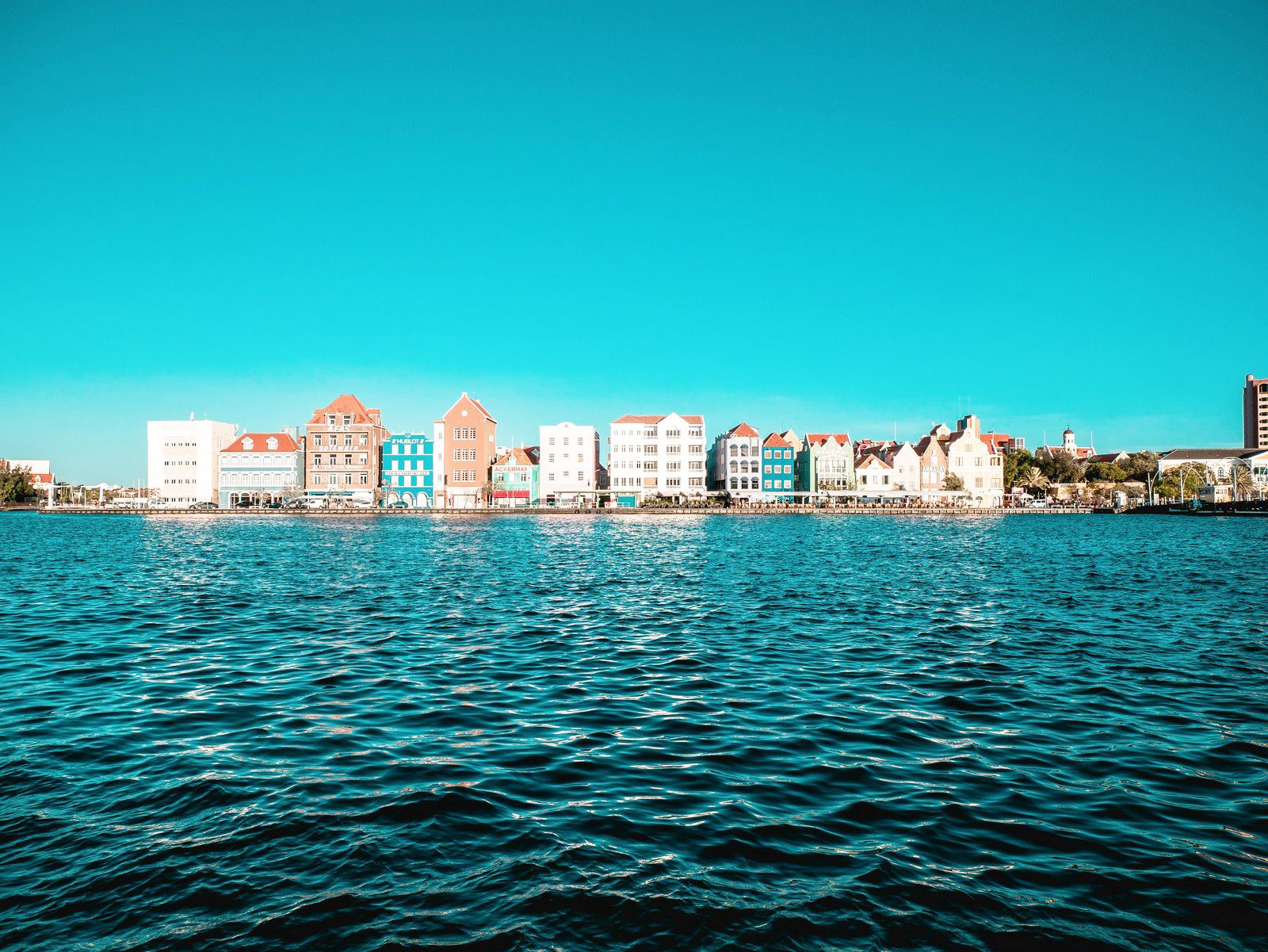


A quick, honest note on "Netherlands Antilles"
It's worth being straight about this before anything else: the Netherlands Antilles as a single country no longer exists. It was dissolved in 2010, and its islands are now governed separately — Curaçao and Sint Maarten as autonomous countries within the Kingdom of the Netherlands, and Bonaire, Sint Eustatius and Saba (the "BES" islands) as special municipalities of the Netherlands itself. So a plan labelled "Netherlands Antilles" is really a convenient legacy grouping for the Dutch Caribbean. The good news for a traveller is that the connectivity story across these islands is broadly similar, and a single travel eSIM is a clean way to stay online as you move between them — without setting up roaming separately on each island and discovering the charges afterwards.
Using mobile data across the Dutch Caribbean
The main islands — Curaçao, Sint Maarten and Bonaire — carry solid 4G across their populated areas, which covers most of each island given how compact they are. For pulling up a map to a hidden beach, messaging an apartment host, looking up a dive site, translating, or posting from the waterfront, you'll have dependable data around the towns and resort strips. Because these islands are not in the EU's free-roaming area, a travel eSIM saves you from the per-megabyte roaming charges that hit hard on Caribbean networks — the kind that turn a week of casual map-checking into an unwelcome surprise on your statement.
Coverage island by island
- Curaçao: strong around Willemstad and the resort and dive areas along the south coast; thinner on the rugged, undeveloped northwest tip out toward Westpunt and Christoffel park.
- Sint Maarten: well covered around Philipsburg, Simpson Bay and the airport/lagoon area, where most visitors stay and where the cruise traffic lands.
- Bonaire: reliable around Kralendijk and the dive coast that the island is famous for; sparser inland and toward the remote north and the Washington Slagbaai national park.
Each island is small enough that you're rarely far from coverage, but if you're driving to a quiet beach or out to the far end of any island, caching an offline map is a sensible backup.
How much data you'll need
These are diving, beach and sailing islands, so data use stays light: Maps, WhatsApp, Instagram, translation and the odd booking. A short island stay is comfortable on around 3-5 GB; a week of exploring one or two islands lands near 8-12 GB; if you stream in the evenings or hotspot a laptop, size up to an unlimited-style plan. Divers in particular tend to use less than they expect — most of the day is spent offline underwater — while sailors and island-hoppers lean harder on Maps and weather apps between anchorages. The plans above show the live options — mid-range is a safe starting point, and topping up is quick if you misjudge it, with no change to your number.
Keep your number and WhatsApp
No need to give up your home number. A dual-SIM phone runs the eSIM next to your normal SIM: the eSIM carries the data while your usual number keeps calls, SMS and bank one-time codes, and WhatsApp stays on your existing number with nothing to re-register. Turn your home SIM's data roaming off so it can't quietly charge you while the eSIM does the work — on Caribbean carriers that single setting can save you a small fortune. It's an easy one to overlook in the rush of arrival, so make it the first thing you do once you've landed and switched the phone out of airplane mode.
Before you fly
Check your handset is eSIM-capable — most iPhones from the XR onward, plus recent Samsung, Pixel and Honor models; our compatibility checker confirms in seconds. Install on home Wi-Fi a day or two before departure; the plan stays dormant and starts when you first connect. It activates on arrival — for example at Curaçao's Hato (CUR) or Sint Maarten's Princess Juliana (SXM), the latter famous for its low-altitude beach approach.
Centring on one island?
If your trip is really about a single island rather than hopping between them, a dedicated country plan is cleaner and cheaper — our Curaçao hub, for instance, gives you the most targeted option for that island alone. For a multi-island Dutch Caribbean route, the grouped plan keeps one eSIM working across the lot.