








Using mobile data in Mongolia: what to expect
Mongolia is one of the most sparsely populated countries on earth, and its mobile coverage map mirrors that fact precisely: excellent where people are, and sparse where they aren't. The main operators — Mobicom, Unitel, Skytel and G-Mobile — run good 4G across Ulaanbaatar and the aimag (provincial) capitals, with 5G now live in parts of the capital. In the city you'll have fast, dependable data for maps, messaging, ride apps and uploads, no different from what you're used to at home. The reason a travel eSIM makes particular sense here is twofold. It saves you navigating a SIM purchase in Cyrillic at a counter that may not expect foreign buyers, and it lets you arrive already online so you can sort your transport, accommodation and tour logistics in those first city hours — before you head out to where the signal gets thin and your phone becomes mostly a camera.
Coverage across Mongolia
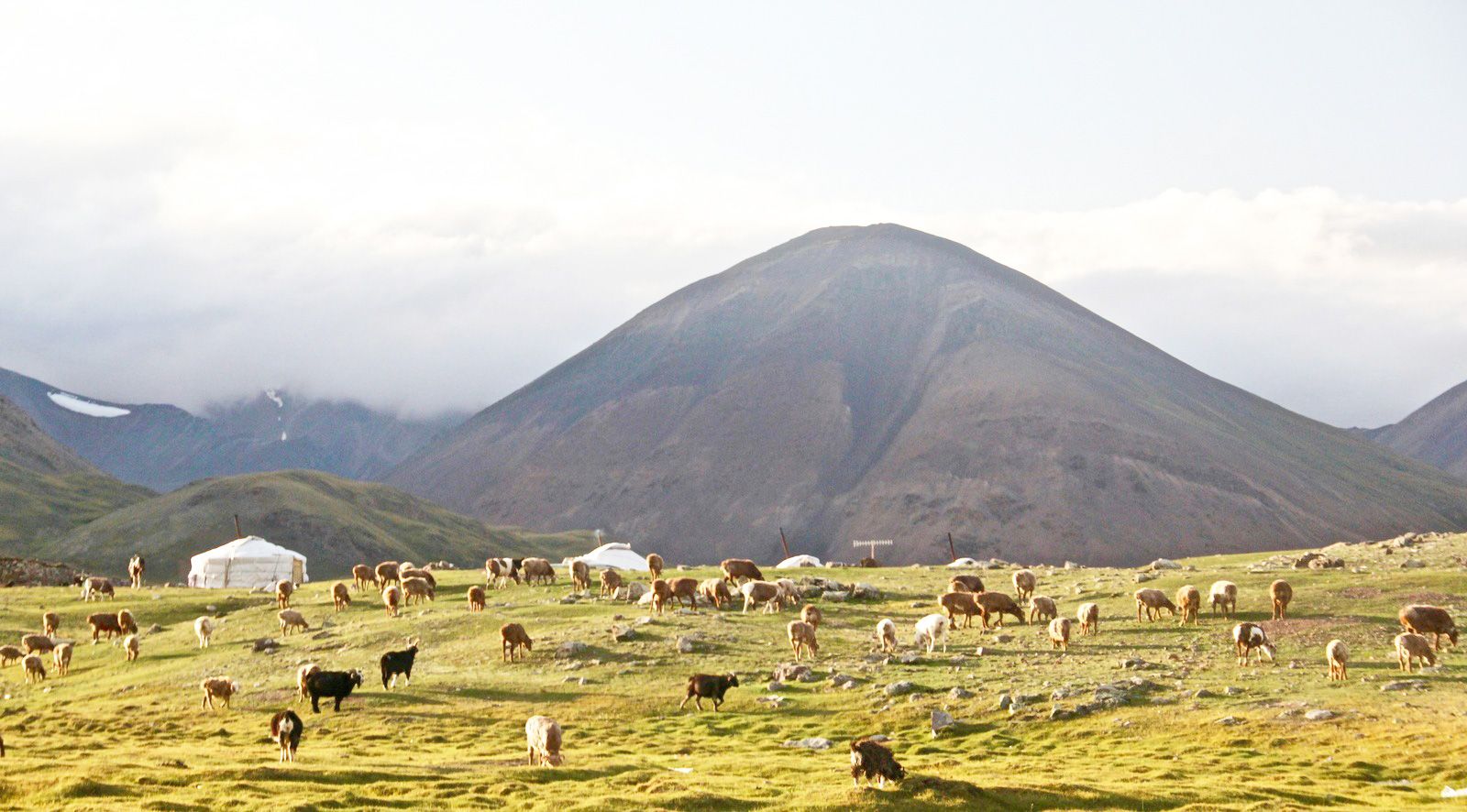
It pays to be realistic about this country, because the gap between city and countryside is enormous. Ulaanbaatar is well covered, as are the larger provincial centres like Darkhan, Erdenet, the old capital Kharkhorin and Murun, along with the towns strung along the main paved routes. Once you leave the towns, though, you're on the open steppe — and coverage follows the scattered population, not the road on the map. The Gobi Desert, the vast central grasslands, the backcountry around Khövsgöl Lake and the Altai mountains in the far west all have long stretches with no signal whatsoever. Tour operators running ger-camp circuits know exactly where the dead zones lie and plan around them. The practical takeaway is clear: use your eSIM data freely in and around the cities, download offline maps and anything else you'll need before you head into the countryside, and treat any bars you get out there as a welcome bonus rather than something to rely on.
How much data you'll need
Your data use in Mongolia splits sharply between city and steppe, which makes budgeting it unusual. In Ulaanbaatar you'll use Google Maps to find your way around, WhatsApp and Facebook Messenger to stay in touch (both are widely used here), Google Translate for Mongolian menus and signage, and a ride app like UBCab to get across town. Out in the countryside you'll often have no signal at all, so in practice most of your data burns while you're in or near the city. A few days based in Ulaanbaatar runs around 3-5 GB. A longer trip that mixes city time with multi-day countryside tours — where you're genuinely offline for much of it — might still only call for 8-12 GB. If you'll be working from the capital or streaming in your hotel, size up using the plans above; if you're mostly out on the steppe, you may well use less than you'd expect.
Keep your number and WhatsApp
Run the travel eSIM next to your normal SIM on a dual-SIM phone. The eSIM carries your data while your home number keeps receiving calls, SMS and the one-time codes your bank and apps send — handy the moment you're back in coverage and need to verify a payment. WhatsApp stays linked to your existing number, so contacts reach you as usual whenever you have signal. Before you fly, switch your home SIM's data roaming off so it can't run up charges in the background; let the eSIM handle all the data work for the trip.
Before you fly
Confirm your phone supports eSIM — most iPhones from the XR onward, plus recent Samsung, Pixel and Honor models — using our compatibility checker. Install on Wi-Fi before you leave home, where it stays dormant until needed; the eSIM activates when you land at Ulaanbaatar's Chinggis Khaan International Airport (UBN). Use that first stretch of strong city signal to download everything and square away your itinerary before the steppe takes you offline for days at a time.
Arriving overland through the region?
If Mongolia is part of a longer overland route — many travellers reach it by rail through the region — it's worth comparing coverage in neighbouring hubs as you plan. An Asia regional plan can cover several countries on one eSIM if your trip crosses borders.