









Using mobile data in Laos: what to expect
Laos is one of Southeast Asia's quieter corners, and its mobile network reflects that — capable in the towns, thinner once you head into the mountains. The main operators, Unitel, Lao Telecom and ETL, run 4G across the populated areas, and in Vientiane and Luang Prabang you'll get genuinely usable speeds for everyday tasks. 5G exists only in pockets of the capital and isn't worth planning around. For a traveller, a travel eSIM makes sense precisely because Laos isn't a place you want to spend your first afternoon queuing for a local SIM with your passport — the eSIM is ready when you land, carries your data, and you connect straight away. Set expectations realistically though: this is a country where signal genuinely runs out beyond the main routes.
Coverage across Laos
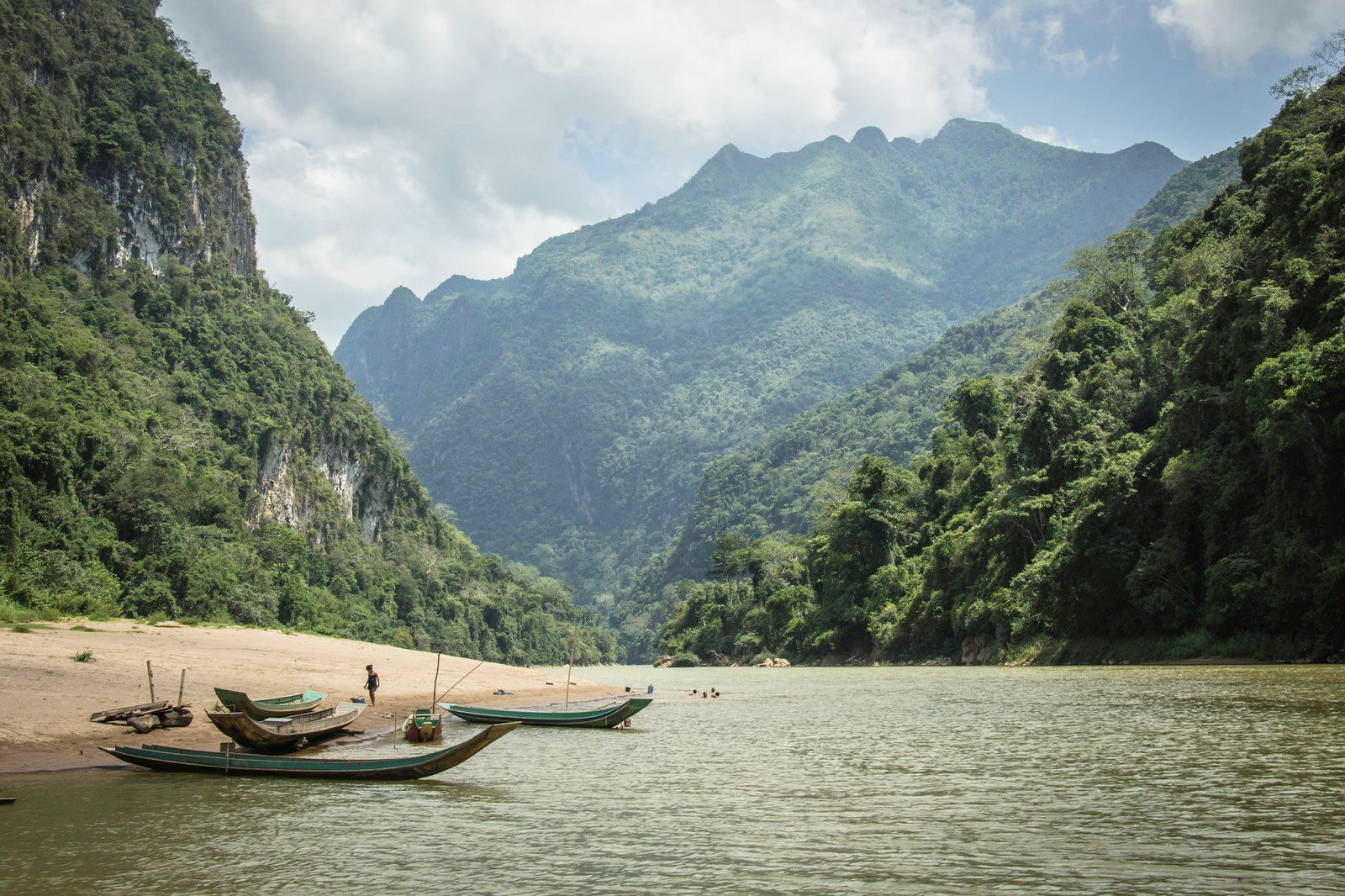
The reliable zones are the Mekong corridor and the main towns: Vientiane, Luang Prabang, Vang Vieng, Pakse in the south and Savannakhet. Along the river and the main north-south highway you'll mostly stay connected. Where it thins is the mountainous north and the remote east — the road up to Phongsali, the Bolaven Plateau's quieter villages, stretches of the slow boat down the Mekong from Huay Xai, and the long winding mountain roads between towns where you can lose signal for an hour at a time. The 4,000 Islands (Si Phan Don) region in the far south has coverage in the bigger settlements but gets patchy on the smaller islands. Download offline maps for any overland leg, because data will drop where the terrain climbs.
How much data you'll need
Laos travel is light on data and that's part of its charm. The apps doing the work are Google Maps with offline areas saved for the mountain roads, Google Translate for Lao script on menus and temple signs, WhatsApp and Facebook Messenger to coordinate with guesthouses and tour operators (Facebook is heavily used here for local businesses), and the odd Instagram upload of a Kuang Si waterfall or a Luang Prabang sunset. Ride-hailing is limited — LOCA operates in Vientiane — so you'll lean on maps and messaging more than apps. A rough guide: a week through Vientiane, Vang Vieng and Luang Prabang sits around 5-8 GB; two weeks adding the south and the 4,000 Islands runs 10-15 GB; bump it up if you stream in the evenings. The plans above show current options by trip length.
Keep your number and WhatsApp
Modern phones run the travel eSIM beside your usual SIM, so nothing about your home number changes. The eSIM carries data; your normal SIM keeps calls, SMS and the two-factor codes you'll want when you're a long way from home. WhatsApp stays on your existing number — no re-registering, no new contacts to swap. The single setting worth changing is turning your home SIM's data roaming off, so it can't quietly run up a bill while the eSIM handles everything.
Before you fly
Make sure your phone supports eSIM — most iPhones from the XR on, plus recent Samsung Galaxy, Pixel and Honor models. Our compatibility checker confirms it in seconds. Install the eSIM on Wi-Fi before you fly so it's ready, and it activates on arrival — at Wattay International in Vientiane (VTE) or Luang Prabang International (LPQ), the two airports most visitors use.
Crossing into Thailand or Vietnam?
Plenty of routes pair Laos with its neighbours — the Friendship Bridge to Thailand, or the border crossings into Vietnam. If you're hopping countries, an Asia regional eSIM keeps one connection live across the border. Heading next door specifically? The Thailand hub covers what to expect there.