









Using mobile data in Cape Verde: what to expect
Cape Verde — Cabo Verde — is an Atlantic archipelago of ten islands off the West African coast, and its two operators, CVMovel (CV Telecom) and Unitel T+, cover the inhabited islands with 4G that's perfectly adequate for travel. In the main towns and the resort areas you'll have dependable data for maps, messaging and uploading beach photos throughout the day. A travel eSIM is a clean fit here because island-hopping would otherwise mean juggling local SIMs as you move, and roaming on your home plan to a destination like this is typically expensive. With an eSIM you activate once on arrival, keep a single number the whole trip, and avoid the bill shock entirely. Just calibrate your expectations to island infrastructure: this is solid, reliable 4G in the places tourists actually go, not a fibre-grade network reaching every cliff, valley and remote fishing village across all ten islands.
Coverage across Cape Verde
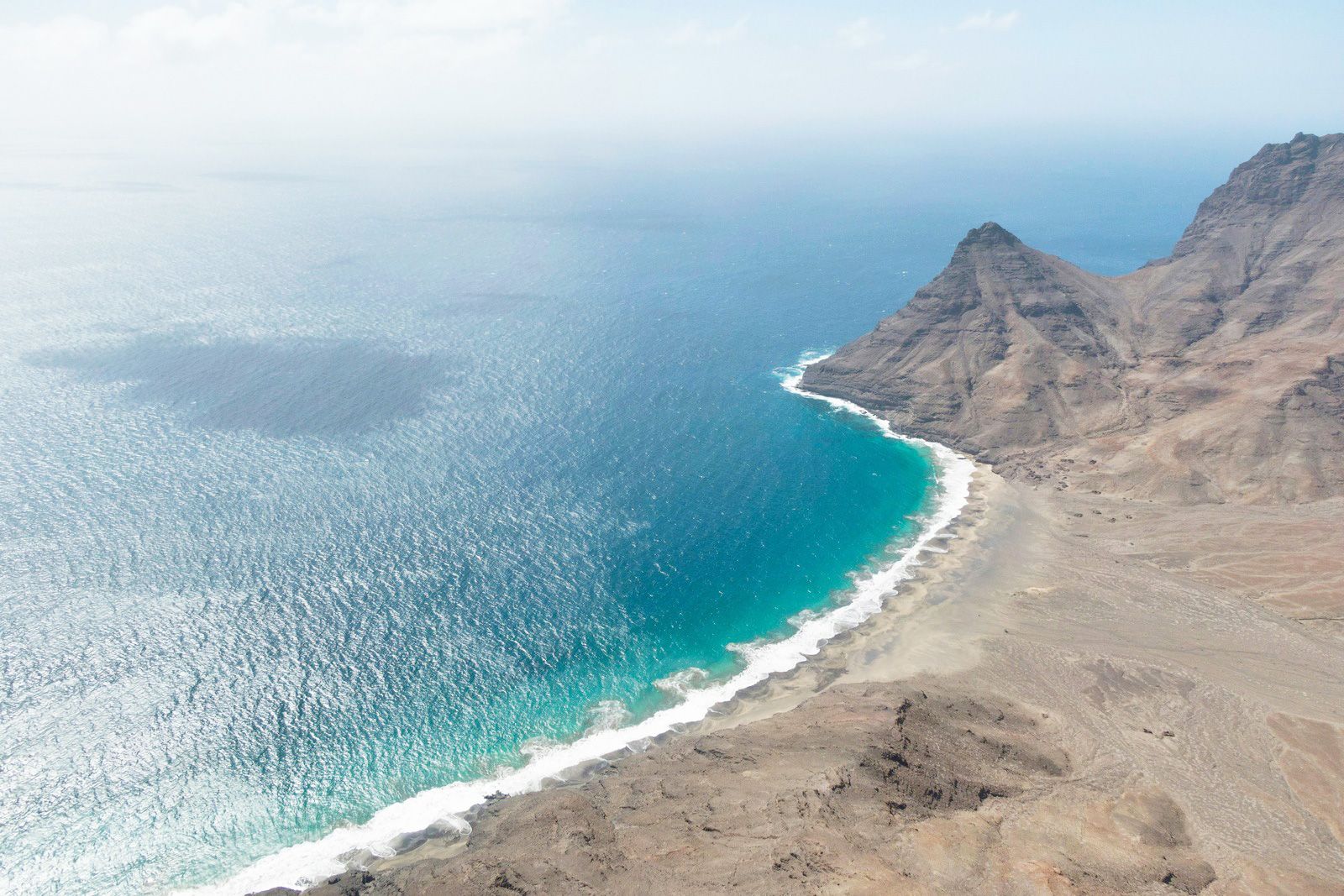
The strongest, most consistent coverage is on the islands most visitors see. Sal — home to the international airport at Espargos and the long resort strip of Santa Maria — is well covered, as is Boa Vista with its large beach hotels clustered around Sal Rei. On Santiago, the capital Praia and the road network radiating around it hold good signal, and São Vicente's lively port city of Mindelo, the cultural heart of the islands, is reliably connected. Where coverage weakens is the dramatic interior: the steep volcanic peaks of Santo Antão, the hiking trails threading through its ribeiras, the slopes of the Fogo volcano, and the smaller, less-developed islands like Brava and Maio, where service can turn patchy away from the main settlement. On the inter-island ferry crossings you'll lose data somewhere mid-channel and pick it back up as you near the next port. If you're hiking Santo Antão's celebrated valley trails, download your offline maps before you set out — signal up there is genuinely unreliable and shouldn't be counted on for navigation.
How much data you'll need
A Cape Verde trip is light on data overall. You'll use Google Maps to get around, WhatsApp for staying in touch and arranging local drivers, Facebook and Instagram for the obvious reasons, and Google Translate for Portuguese and the local Kriolu — though tourism staff at the resorts often speak good English. There's no real ride-hailing app network; ground transport is taxis and the shared aluguer vans, arranged locally and in cash. As a guide: a week of beach time on Sal or Boa Vista, mostly messaging and photos, runs around 4-7 GB; a more active two weeks island-hopping, with map-heavy hiking and frequent photo uploads, lands near 10-15 GB. Regular streaming pushes it higher than that, in which case a larger plan from the options above is the safer choice so you're not watching your remaining data on a long stay.
Keep your number and WhatsApp
A modern phone runs the travel eSIM beside your usual SIM. The eSIM carries all your data; your home SIM keeps your number live for calls, SMS and the bank one-time codes you'll want while abroad. WhatsApp stays attached to your existing number, so contacts reach you exactly as normal. Turn data roaming off on the home SIM so it can't quietly bill you for roaming in the background while the eSIM does all the actual work — one setting, changed once, before you go.
Before you fly
Check eSIM support with our compatibility checker — most iPhones from the XR onward, plus recent Samsung, Pixel and Honor models all work. Install on home Wi-Fi before departure; the eSIM stays idle and activates when you land at Sal (SID), Praia (RAI) or Boa Vista (BVC). Setting it up in advance means you're online the moment you clear the airport, with no kiosk hunt in the heat after a long flight.
Ten islands on their own ocean time
Cape Verde sits a full hour behind mainland Portugal, on its own Atlantic island time zone — a small reminder that you're genuinely far out in the ocean here, which is also exactly why connectivity tracks so closely to where the towns and resorts actually sit rather than spreading evenly across the map.